
All
Location
All cities
Karpacz
Wonder Hill Sosnówka
Świeradów-Zdrój
Krzaczyna near Karpacz
Mysłakowice near Karpacz
Ścięgny near Karpacz
14
Jan
-
13
Jan
Date of stay
number of people
2
search

Travel blog
Did you know that Śnieżka – the highest peak of the Karkonosze Mountains – once smelled of violets, and for over 200 years it was believed to be almost as high as the Alps? It is not just a mountain from postcards, but a place full of extreme conditions, historical mistakes and phenomena that are hard to see anywhere else. Fog covers it for most of the year, and hurricanes are a daily occurrence here. Śnieżka surprises not only with its landscape - it hides stories that seem more fairy-tale than real. And you are about to read about them!
What makes Snow White so special?
Śnieżka is more than just the highest peak in the Karkonosze Mountains – it is a place where nature meets history and science meets legend. Although it is “only” 1,603 meters high, it offers conditions similar to those in the far north, attracts thousands of tourists every year, and also hides a few stories that could easily end up in travel chronicles. So before you put on your hiking boots and hit the trail, get to know this mountain from a less obvious side. Here are 9 facts about Snow White that might actually surprise you.
An apartment with a fireplace, sauna or a view of the Karkonosze Mountains? Get inspired and choose a place that perfectly suits your needs:
9 Fun Facts About Snow White You Need to Know!
Śnieżka at its highest point is exactly 1,603 meters, 29 centimeters and 6 millimeters high. This point is located on the Polish side, just a few meters from the border with the Czech Republic, right next to the historic chapel of St. Lawrence. Interestingly, the highest point on the Czech side is 10 centimeters lower!
But that's not all. In the 16th century, humanist Krzysztof Schilling calculated that Śnieżka is as much as... 5,500 meters high. And although it seems absurd today, for over 200 years no one questioned it. This shows how much measurement capabilities have changed – and how many myths can grow around one mountain.
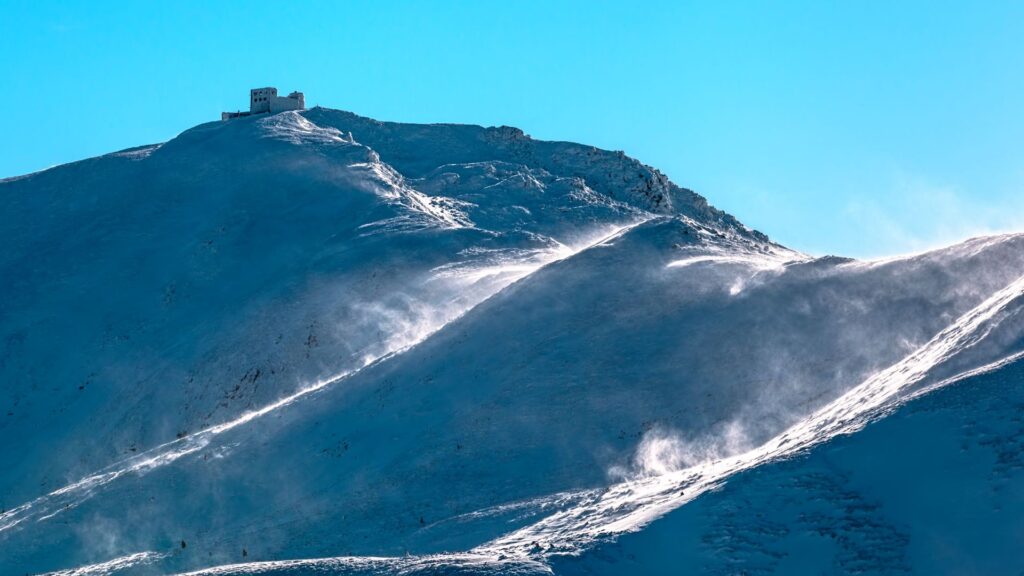
Anyone who thinks that winter in the mountains ends in March has not yet been to Śnieżka. The average annual temperature here is only 0.4°C. For about 1/3 of the year the temperature does not exceed -5°C, and snow lies from October until May.
It is no coincidence that during World War II, Śnieżka was used by the Luftwaffe and the Wehrmacht as a training ground for soldiers who were to fight in the conditions of the far north. A natural testing ground.
On average, 206 days a year, winds exceeding 15 m/s blow at the summit of Śnieżka. And the record? 288 km/h – that’s faster than the take-off speed of a passenger plane! These conditions affect not only the weather, but also the landscape and microclimate of the mountain.
It is not without reason that many people who climb to the top for the first time are surprised by the sudden change in weather – even in summer.
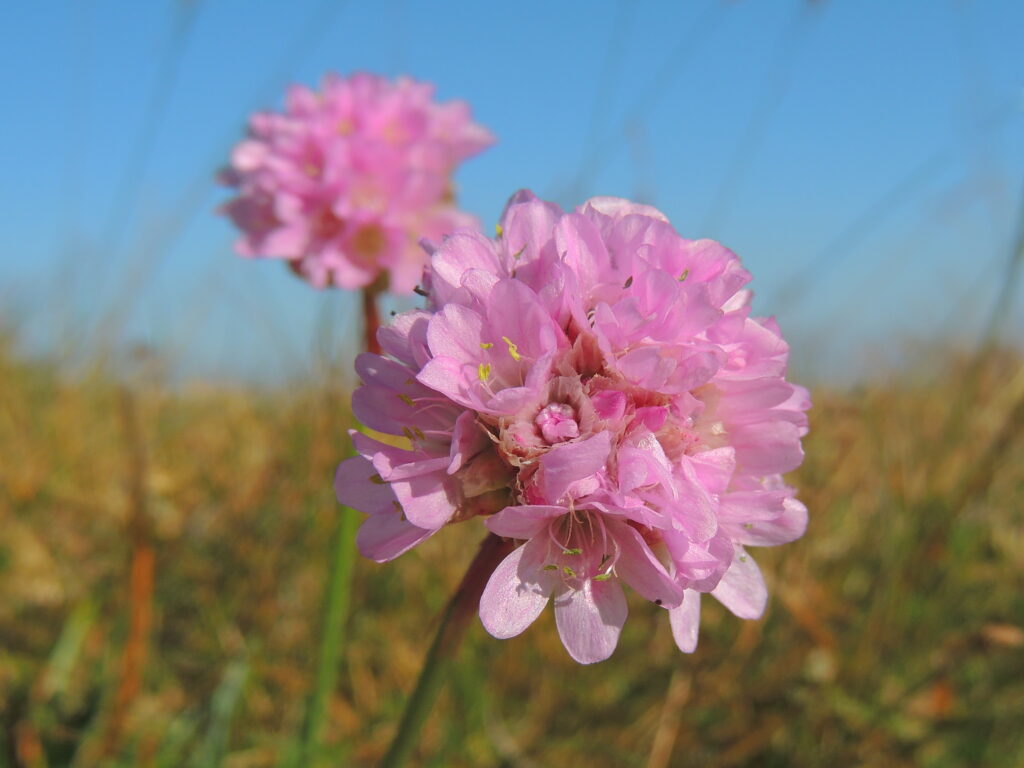
Thanks to the exceptionally harsh climate, the Alpine vegetation zone begins here at an altitude of 1,450 m above sea level.., which is much lower than in the Tatras (there – from 1800 m). Here we will find, among others:
For botanists it is a paradise – and a true climate laboratory.
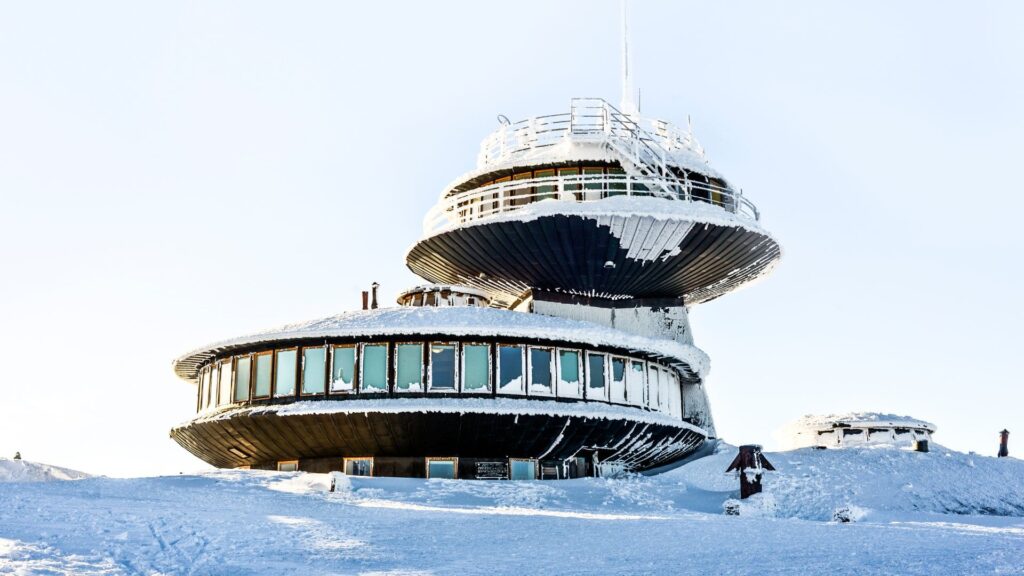
The characteristic building resembling “flying saucers” is the High-Mountain Meteorological Observatory. It was created in the 1970s and although it initially aroused controversy, today it is one of the symbols of Śnieżka.
Importantly, this is one of only two such observatories in Poland. The other is located on Kasprowy Wierch.
The highest Czech post office is located on Sněžka. This is not just a curiosity - you can actually send a card here and add a special stamp to it.
The story is even more interesting Robert Fleiß – the legendary postman, who carried mail down a mountain every day for 37 years. He walked a distance equal to three times around the Earth, and the mail he carried could fill 300 freight cars.
For more than 300 days a year the peak is covered in fog. Thanks to this phenomenon, optical "miracles" can often be observed here:
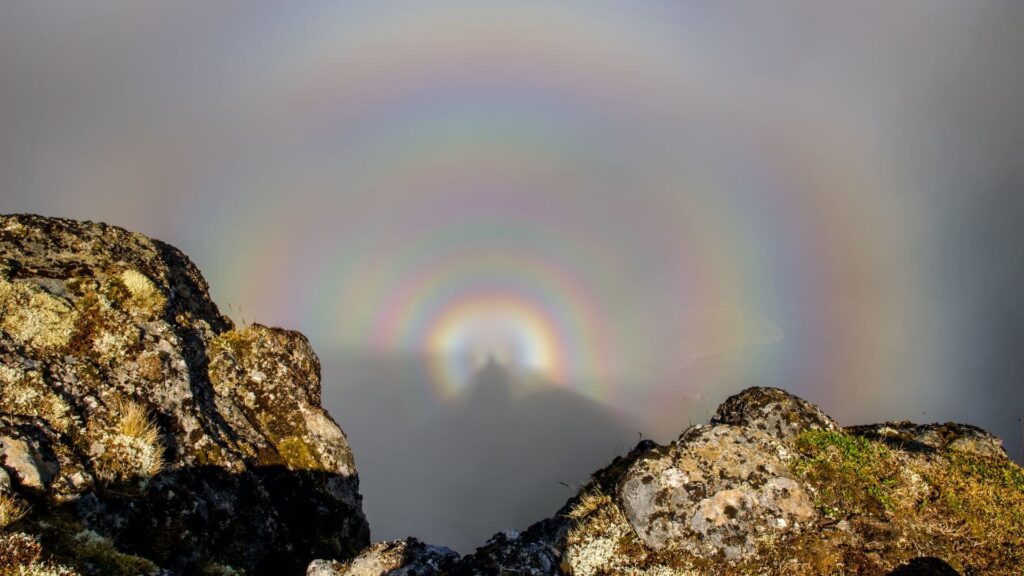
In the 17th and 18th centuries, the rocks at the top gave off the smell of... violets. The reason? The alga Trentepohlia jolithus, which grew on the stones. When moistened or heated, the stone began to smell like perfume. Unfortunately, due to intensive collection and climate change, the algae disappeared from the Śnieżka region.
This is one of those stories that sounds like a legend, but is very true.
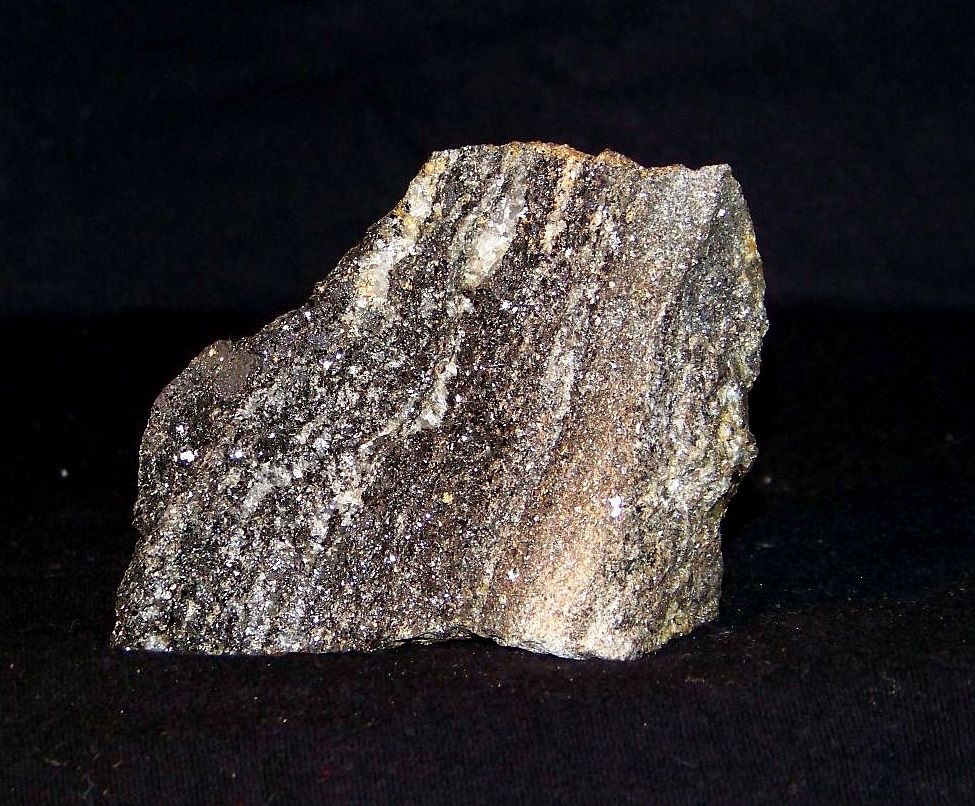
Its conical shape may suggest a volcanic origin – however, Śnieżka is composed mainly of granite and hornfels, i.e. metamorphic rocks. This is the result of enormous tectonic forces from millions of years ago, when the Alps were being uplifted.
Interestingly, hornfels can be seen not only at the top – their fragments are also visible in the center of Karpacz. At Obrońców Pokoju Street there is an old rock quarry, discovered during road construction at the beginning of the 20th century. It was there that part of a huge hornfels floe was exposed.
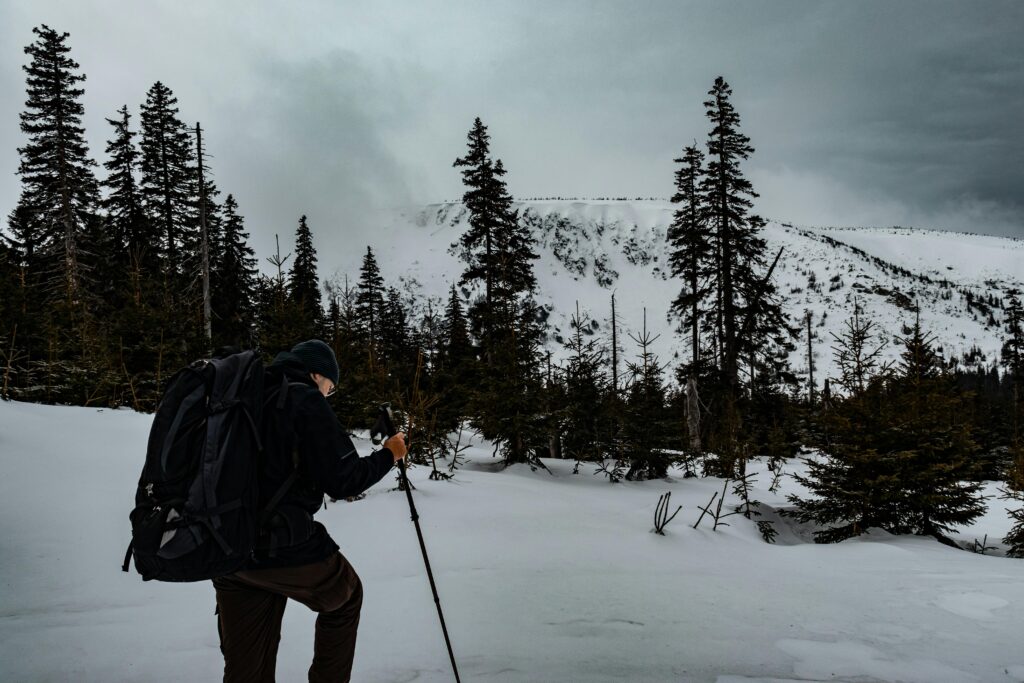
- Take something warm – even in July you can encounter icy winds and temperatures close to freezing.
- Check the forecast – on Śnieżka, fog and storms are not an exception, but the norm.
- Don't rush – sunrise and sunset can make a greater impression here than the view from the top.
- Visit the Chapel of St. Lawrence – this is the heart of the mountain and the oldest building on its top.
- Observatory and Czech post? A must! – unique architecture and a great opportunity for an original postcard from a height of 1603 m above sea level
Be sure to check out our previous posts about Karpacz:
Download our free guides to Karpacz and Świeradów-Zdrój!
Follow Wonder Home Apartments on social media!
Summary
Śnieżka is not just a point on the map and a peak to conquer – it is a mountain with character, history and a unique atmosphere. It is worth taking a moment to learn its secrets before you set off on the trail. And once you are on its summit, you will feel the unique energy that makes this place memorable for a long time.
Author: Eliza Tomaka